
 Alison Langley
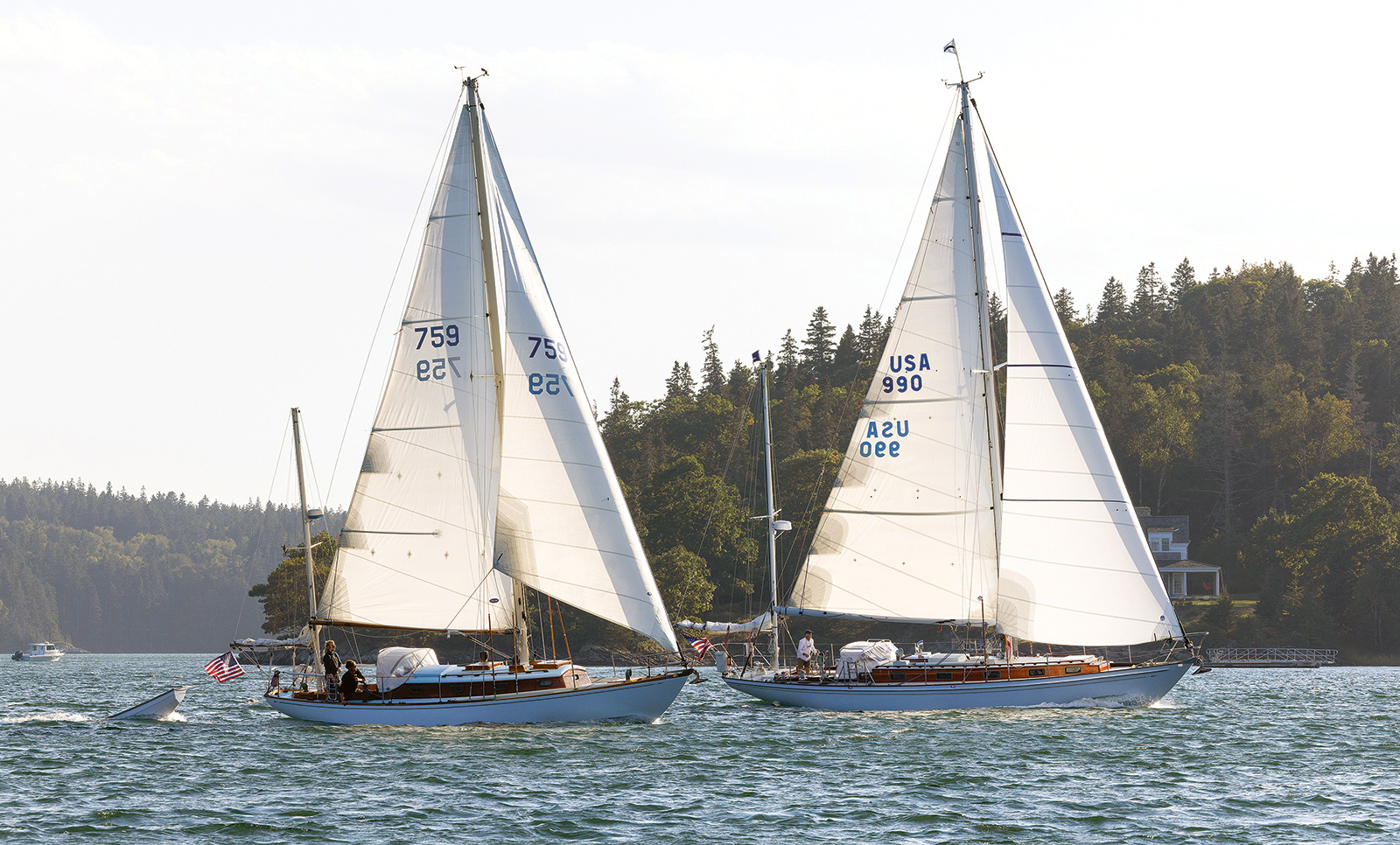
On a breezy afternoon in September 2025, the Ted Hood-designed yawl THORA (left) and the Sparkman & Stephens-designed yawl INVERNESS (right) sail together in Maine’s Fox Islands Thorofare. Cheryle St. Onge and Vince Todd have built a rich family life around restoring and actively sailing these two yachts—as well as several earlier boats.
Many years ago, the legendary boatbuilder and author Bud McIntosh offered the following advice to a young man aspiring to restore a wooden boat: “Don’t be one of those guys whose kids watch him work on a boat for 15 years—and then they leave. Keep watch over your time, and make sure that you actually go sailing.” Vince Todd, the young man in question, took this sage counsel to heart, and in the ensuing years he has woven a rich family life around restoring and actively sailing a series of vintage wooden boats.
Vince, who lives in Durham, New Hampshire, is a respected builder of custom homes. Over the past quarter-century, he has also accomplished two comprehensive restorations of classic sailboats: the 1960 Ted Hood-designed yawl THORA (originally ROBIN TOO) and the Sparkman & Stephens-designed yawl INVERNESS, built in 1963. Working largely on his own and to very high standards, he has brought each boat back to Bristol condition. He has also sailed these yachts extensively while introducing his family to cruising and racing via many years of adventuring along the New England coast and beyond.
Like many people raised near the sea, Vince found his way to local waters at an early age. His initial explorations were carried out in a small rowing pram that he transported by red wagon to nearby riverbanks. Next came an Old Town dinghy powered by an Evinrude outboard. Sailing entered the picture by way of a 14′ MerryMac cat-rigged sharpie, which lived on a trailer and afforded Vince access to New Hampshire’s Great Bay, an expansive estuary studded with attractive islands and coves. Vince later came to know MerryMac designer and builder Ned McIntosh and his brother Bud, who mentored and guided him over many years.
Vince had an uncommon aptitude for woodworking, and he participated in his first small-craft build as an eighth-grader, assisting in the construction of a 12′ Glen-L Buckboard, which is similar to a Sailfish. After high school and college, he began his construction career while maintaining a lively interest in boating. He eventually found his way to one of John Gardner’s small-craft workshops at Mystic Seaport Museum in Connecticut, which inspired him to build a 15′6″ Gloucester Light Dory designed by Phil Bolger—the vehicle for his first date with his wife-to-be, Cheryle St. Onge.
Vince and Cheryle, determined to pursue sailing and cruising as a couple, purchased PINNACE, a 25′ gaff-rigged sloop designed and built in 1963 by Bud McIntosh, whose shop and home were in the nearby New Hampshire town of Dover. The design, inspired by a V-bottomed skipjack documented by maritime historian Howard Chapelle, had shallow draft and a centerboard to accommodate sailing in the thin waters of Great Bay—and also to allow for comfortable grounding when the tide was out. PINNACE, with its humble accommodation and small outboard auxiliary, was not conceived with extended cruising in mind. Nonetheless, during their seven years of ownership, the adventurous and now-married pair ranged as far east as the entrance to Penobscot Bay. In the process, they met and struck up a friendship with Frank Luke of East Boothbay, who became another important mentor and source of advice.
 Todd Family Collection
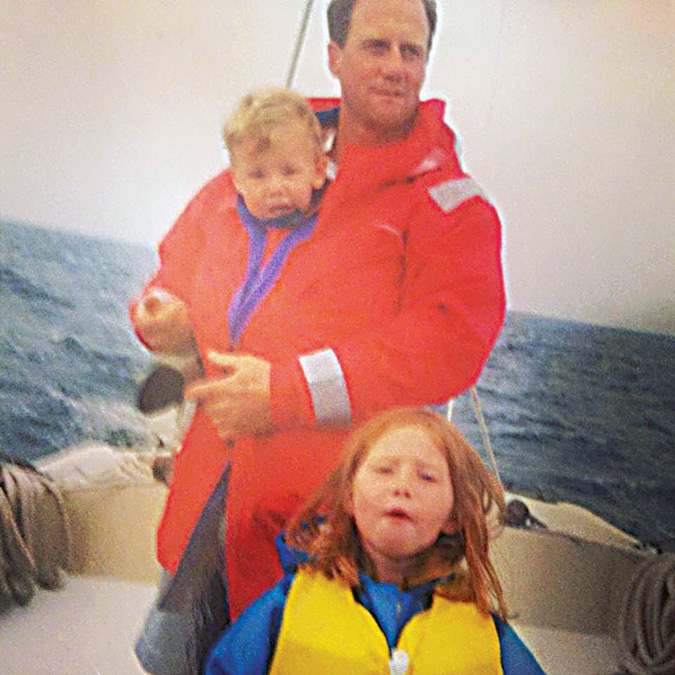
Vince Todd, in about 1996, sails with his son, Emmet, and daughter Annah aboard the Eldredge-McInnis–designed sloop CAELE.
When Vince and Cheryle’s daughter Annah was born in 1992, it became clear that family cruising would require a larger, more capable boat. Thus in 1995 they purchased CAELE, a 31′ Daimyo-class sloop designed by Eldredge-McInnis and built in 1960 in Osaka, Japan, by International Marine. She provided five years of pleasurable cruising, all while the family continued to grow: a son, Emmet, was born in 1995 and another daughter, Isabelle, in 1998. CAELE was too small for a family of five, so they began searching for another boat. After investigating candidates ranging from Concordia 31s to Nevins 40s, Vince came upon SABRINA, a Little Harbor 36 centerboard yawl designed by Ted Hood and, coincidentally, also built by International Marine in 1960. Although the boat fit Vince and Cheryle’s budget, the favorable purchase price reflected numerous issues that would need to be addressed. Vince determined that the required repairs lay well within his skill set, and he also noted that the yawl would just fit in the home boat shed that had been erected for CAELE. He closed the deal in 2000, renamed the boat THORA (after his late mother), and embarked upon a major restoration that ushered in two remarkable decades of family cruising and racing.
 Todd Family Collection
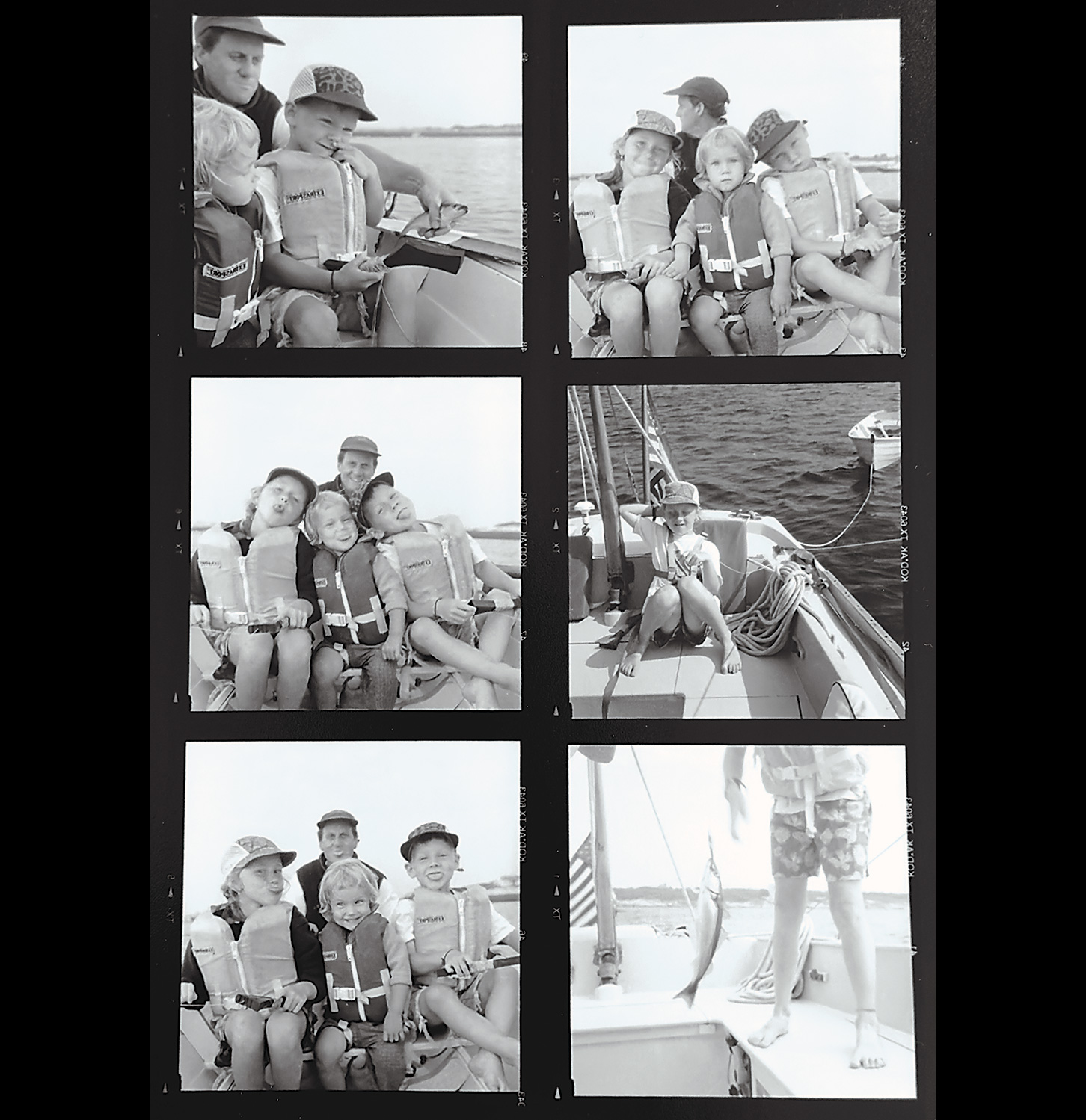
The Todd family photo album documents adventures aboard CAELE.
THORA had been launched as ROBIN TOO. Ted Hood had previously inspected other boats turned out by International Marine, and he had come away impressed by the overall build quality and by the yard’s double-planking techniques. He contracted International Marine to build four yachts in 1960—one for his own use and the other three on speculation. The four hulls were assembled according to a distinctive scheme, which called for an inner diagonal layer of ⅜″ Philippine mahogany topped by an outer fore-and-aft layer of the same material at ¾″ thickness. The frames were steam-bent from an especially dense variety of Japanese elm called keyaki. As Hood explained in his autobiography, Through Hand and Eye, “The boats were built by two Americans, Don Jacobs and Alan Mott, GIs who had stayed in Japan after World War II,” and the final price was roughly half of what equivalent construction in the United States would have cost. Of the four Hood designs, two were identical 40′ yawls and two were built to the general Little Harbor 36 plan. Ever the experimenter, however, Hood specified that one of those would be built with a full keel while the other (which became THORA) would be equipped with a hollow centerboard of cast bronze. Otherwise, the two 36-footers were largely identical, and following their transport to Boston by freighter, both were fitted with aluminum masts and wooden booms in Marblehead; American-made engines, stoves, winches, and other components were installed at the same time. “By comparing these two boats,” Hood later recounted, “I came to the conclusion that the centerboard version was better to windward, while the keel version was better off the wind. This was contrary to popular wisdom.”
 Todd Family Collection
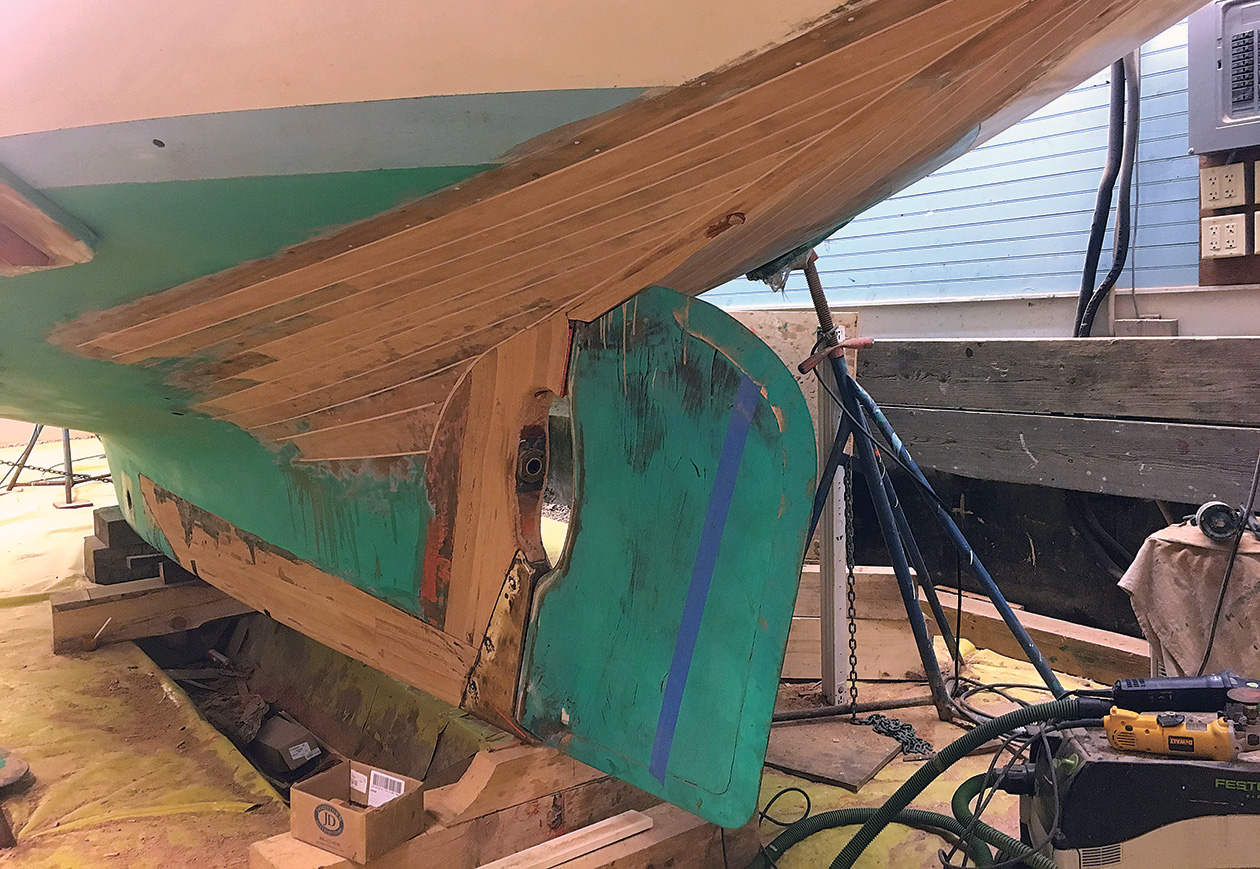
Among the major projects accomplished on THORA were the renewal of her horn timber, sternpost, deadwood, and centerboard trunk.
Vince’s home shop in Durham, which primarily serves the needs of his business, has generous floor space and an array of high-end stationary tools; this facility was essential throughout the restorations of both THORA and INVERNESS. THORA’s rejuvenation began with the complete renewal of the decks, toerails, and covering boards. The compromised plywood of the original decking and covering boards was replaced with new marine plywood sheathed with fiberglass and finished with a layer of Dynel set in epoxy. The new toerails were fashioned from locally sourced black locust, a rugged hardwood that presents a handsome grain pattern and takes varnish well. Other plywood components had not held up either, and it was necessary to renew the after cockpit and after cabin bulkheads. Repairs were also made to the forward main bulkhead. Since he was quite far into things at this point, Vince also rebuilt the entire cockpit area.
 Alison Langley (both)
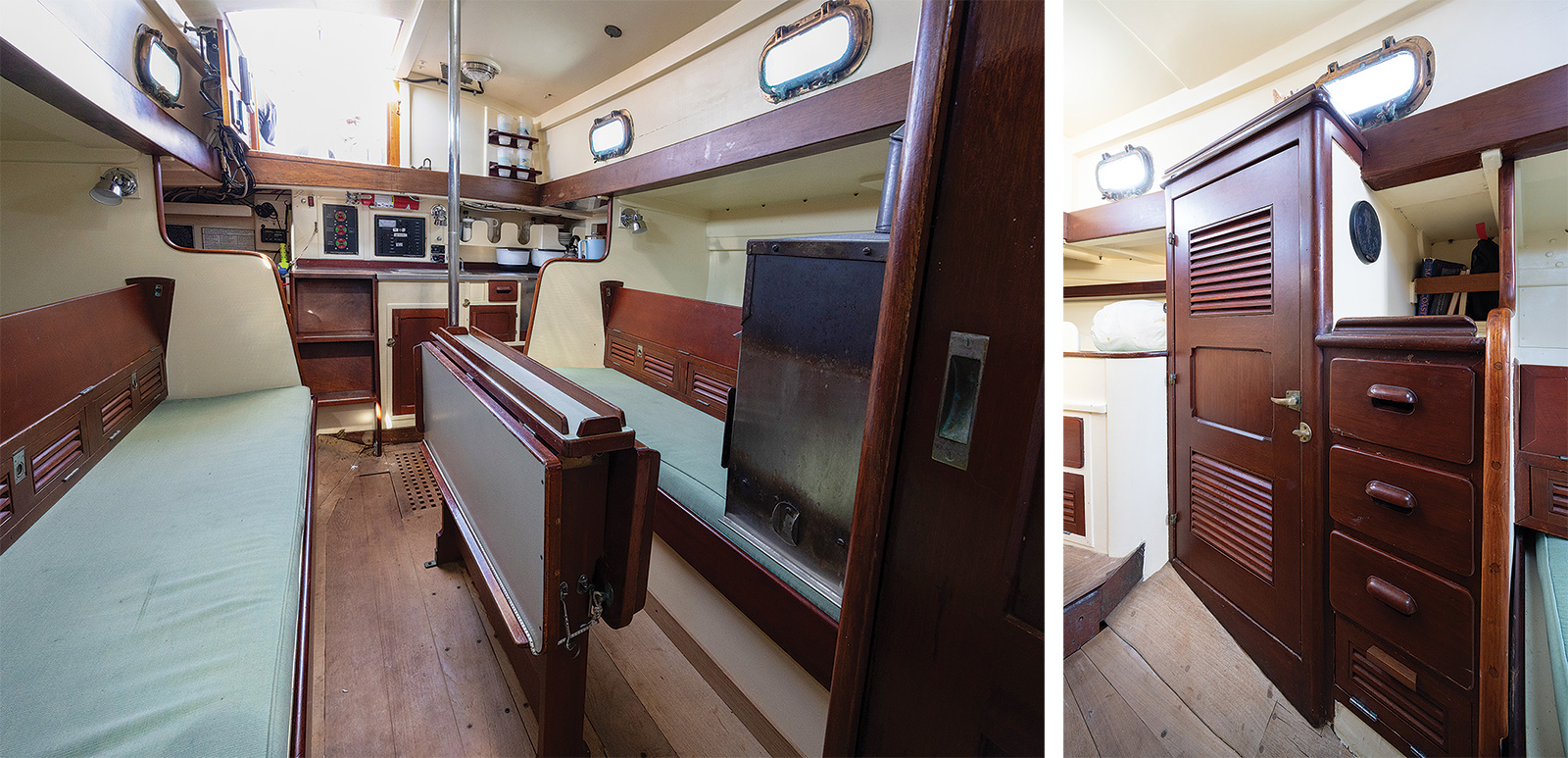
THORA’s roomy main cabin (left) features sea berths above the two settees, a drop-leaf table, and (right) thoughtfully designed storage lockers.
THORA’s original frames were in remarkably good condition, with no breaks. The boat had never been refastened, however, and that task was undertaken the second off-season. Over ensuing winters, THORA saw a series of additional improvements, including a new maststep, new bronze chainplates, and complete renewal of the sternpost, horn timber, deadwood, and centerboard trunk. Several of the original keelbolts were extracted and found to be in excellent condition, with no further action being called for—though several other backbone bolts were replaced. The boat eventually received new standing rigging and aluminum spars, and was repowered with a Yanmar 3YM20 diesel. Electronics were upgraded, and both a belowdecks autopilot and a Monitor wind vane were fitted. In order to meet the Offshore Racing Rule’s stability requirement for the 2018 Bermuda Race, 500 lbs of lead ingots were purpose-cast and secured below the floorboards. Up until his death in 2013, Ted Hood was consistently generous with advice and encouragement as the THORA project moved along.
 Todd Family Collection
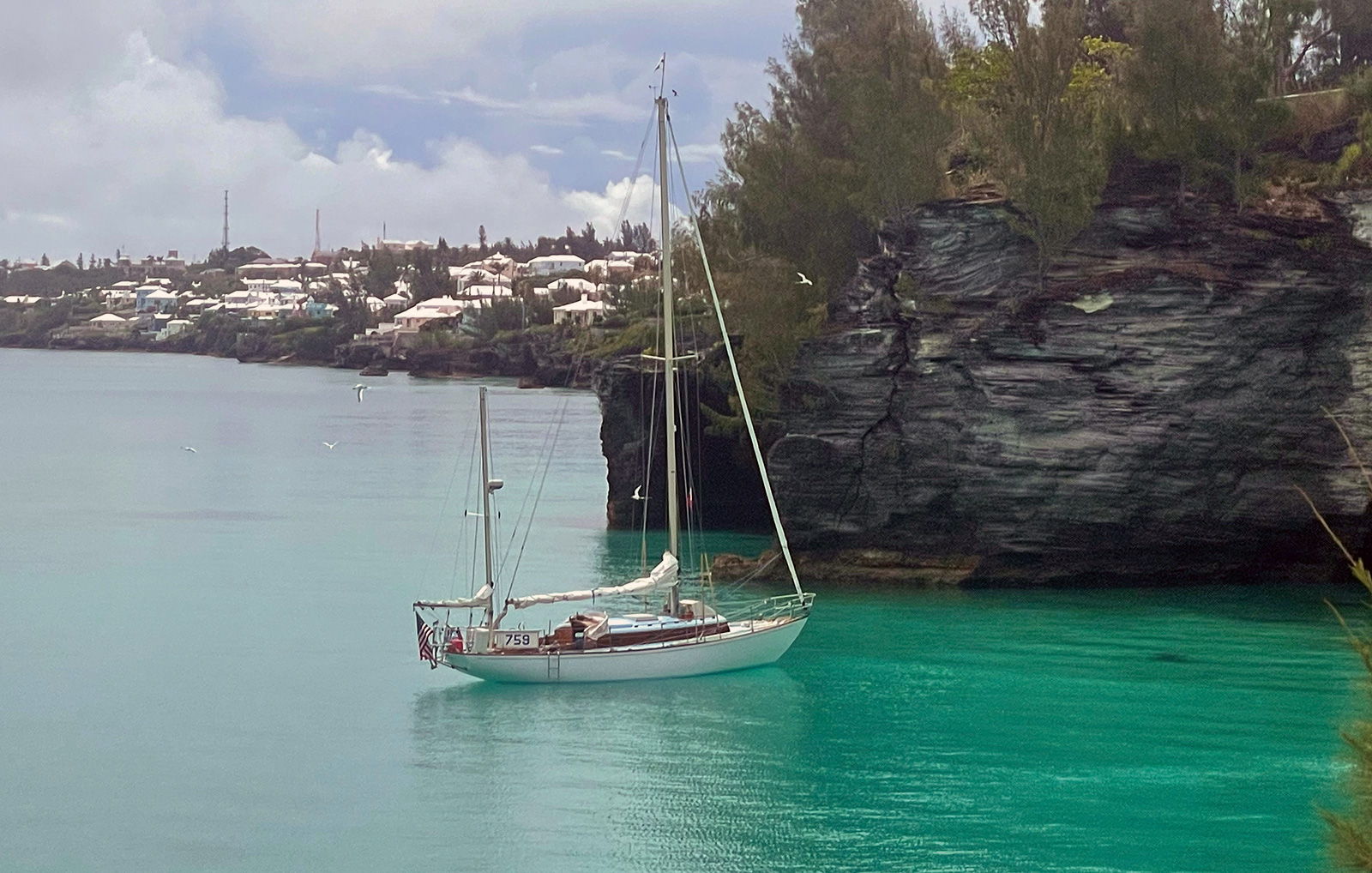
THORA lies at anchor off Spanish Point, Bermuda, following the 2022 Newport Bermuda Race. Vince and Emmett finished third in the Double-Handed Division.
In the summers, the Todd family used THORA as a vehicle for wide-ranging adventures spanning more than 20 seasons. Vince and Cheryle made a deliberate decision to prioritize life on the water, and within that rich environment they encouraged their three growing children to cultivate competence and independence. With THORA as their platform, the parents also imparted important principles of seamanship and boatkeeping. Nearly every season, THORA has cruised east into Maine waters and often beyond, including destinations in southern New England, New Brunswick, and Nova Scotia. Annah, Emmet, and Isabelle have very often been aboard, and over the years all three have become highly adept sailors—and given the appreciable time they spent with the boat, they came to regard THORA as their “fourth sibling.” In addition to her annual cruises, THORA has been raced actively; she has long been an annual presence at the Eggemoggin Reach Regatta in Maine and has taken part in three Marblehead to Halifax Ocean Races. In 2018, Vince and Emmet competed aboard THORA in the Double-Handed Division of the Newport Bermuda Race, finishing in third place. The two of them repeated that result in 2022, and all three children and their father then sailed THORA back to New Hampshire, with the boat taking notably good care of them on that passage. As Vince recalls it, “One afternoon, we were close-reaching in 25–35 knots in very large seas as a front passed us by. And all of my kids were aboard. That gave me a moment of pause. But THORA was more than up to the conditions, and we then settled in for a perfect spinnaker run that lasted nearly two days.”
By 2020, having seen their children well launched into adulthood, Vince and Cheryle began to contemplate the next chapter in their sailing lives. Vince was intrigued by the idea of an Atlantic Circle voyage, a long-term adventure that would involve cruising in both Europe and the Caribbean, and it was clear that such an itinerary would best be undertaken in a yacht somewhat larger than THORA. Cheryle readily endorsed the notion of a new boat, for despite her deep affection for THORA, the sporty and lightly ballasted yawl had always seemed uncomfortably tender to her, especially when the centerboard was raised. The notion of more freeboard and greater stability was appealing, and a search commenced.
In the early stages of the hunt, Vince seriously considered another Ted Hood design then on the market, a 47′ steel-hulled yawl launched in 1964 as ROBIN. The eventual choice, however, turned out to be another yawl of the same overall length and bearing an equally impressive lineage. INVERNESS was Sparkman & Stephens design No. 1689, commissioned by Robert McCullough, an avid racing skipper and member of the New York Yacht Club. Built in 1963 at the Derecktor yard in Mamaroneck, New York, INVERNESS is a full-keel yawl with a waterline length of 34′, a beam of 12′, and a draft of 7′6″. As originally drawn, she displaced 15 tons and carried 1,053 sq ft of sail, with stability assured by a lead ballast keel weighing 7 tons.
 Todd Family Collection
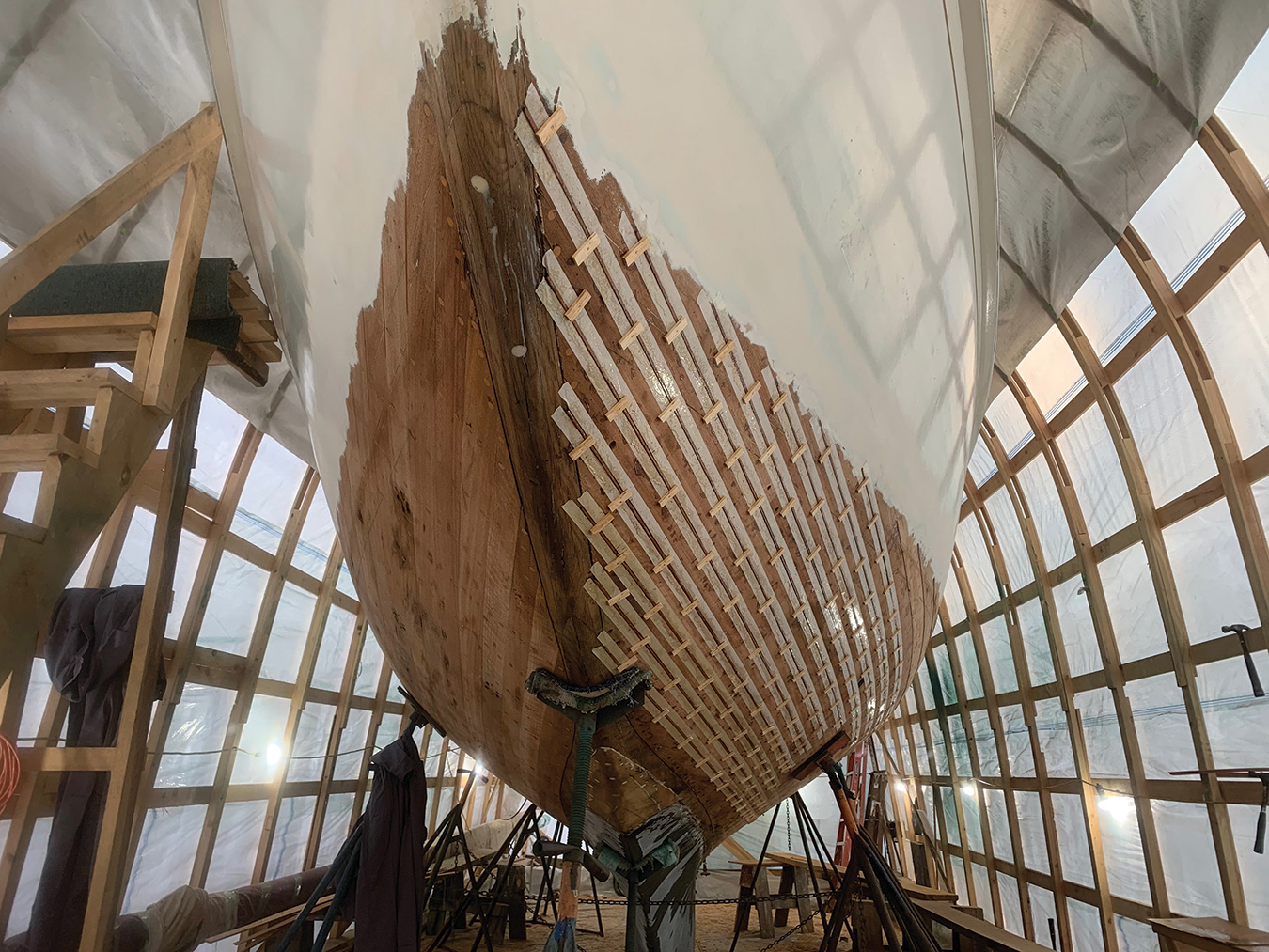
After the glued bottom seams of INVERNESS were routed to partial depth, they received new mahogany splines set in epoxy.
INVERNESS had spent two decades in the Great Lakes and was for sale in Waukegan, Illinois. Over the preceding decade, she had benefited from a series of significant upgrades, all carried out with skill by Van Dam Custom Boats in Boyne City, Michigan. That yard had seen to the renewal of the decks, cabinhouse, cockpit, bulkheads, and transom, and had also installed new self-tailing winches, deck hardware, and offshore-grade hatches. Yet the boat had been sitting idle and out of the water for some time, and deterioration had been steadily progressing. When Vince flew to Illinois for an in-person inspection, he saw serious potential in INVERNESS but also noted a number of issues that would require attention: the interior had its shortcomings, the engine was too large for the allotted space, and the hull had never been refastened. Other aspects, however, were solidly in the “plus” column, including the boat’s history and pedigree, handsome overall appearance, and generous accommodations, along with the low-aspect rig ideally suited for offshore passagemaking. After carefully weighing all the factors, Vince finalized the purchase in December 2020, and the boat was transported by truck to New Hampshire.
Once INVERNESS arrived in Durham, Vince built a shelter around her and began work. The first job was to strip the hull below the waterline to prepare for refastening the bottom planks. Instead of following the usual process of increasing the gauge of the screws, Vince decided to assure maximum holding power for new bronze screws by gluing locust dowels into the vacant fastening holes and then boring fresh pilot holes. This work was soon followed by two more major operations: replacing every butt block and splining all the plank seams below the waterline, which was recommended by several experts. INVERNESS’s hull was planked by Derecktor in tight-seamed Philippine mahogany over white oak frames and backbone timbers. The plank edges had originally been glued together, and it was deemed advisable to refresh those bonds by routing all seams to partial depth and inserting newly milled mahogany splines set in epoxy. Fortunately, the topsides were in generally fine condition, with few visible seams, and they required only fairing and refinishing.
Yet this did not mark the end of the structural work, for Derecktor had applied one of their signature construction techniques to INVERNESS: after the boat had been planked, panels of ¼″ marine plywood were fitted to each frame bay, then glued and screwed to the inside of the planking. While this added substantial strength and stability to the structure overall, the plywood in question had delaminated in some areas, especially beneath the engine. Once every bit of interior structure had been removed, the resulting access allowed needed repairs to be made. Unfortunately, the original S&S drawings for INVERNESS, held at Mystic Seaport Museum, were then unavailable due to ongoing litigation. Vince therefore engaged the design department at Rockport Marine in Maine to produce drawings of the INVERNESS profile, section plan, and sail plan, to guide the restoration.
 Todd Family Collection (both)
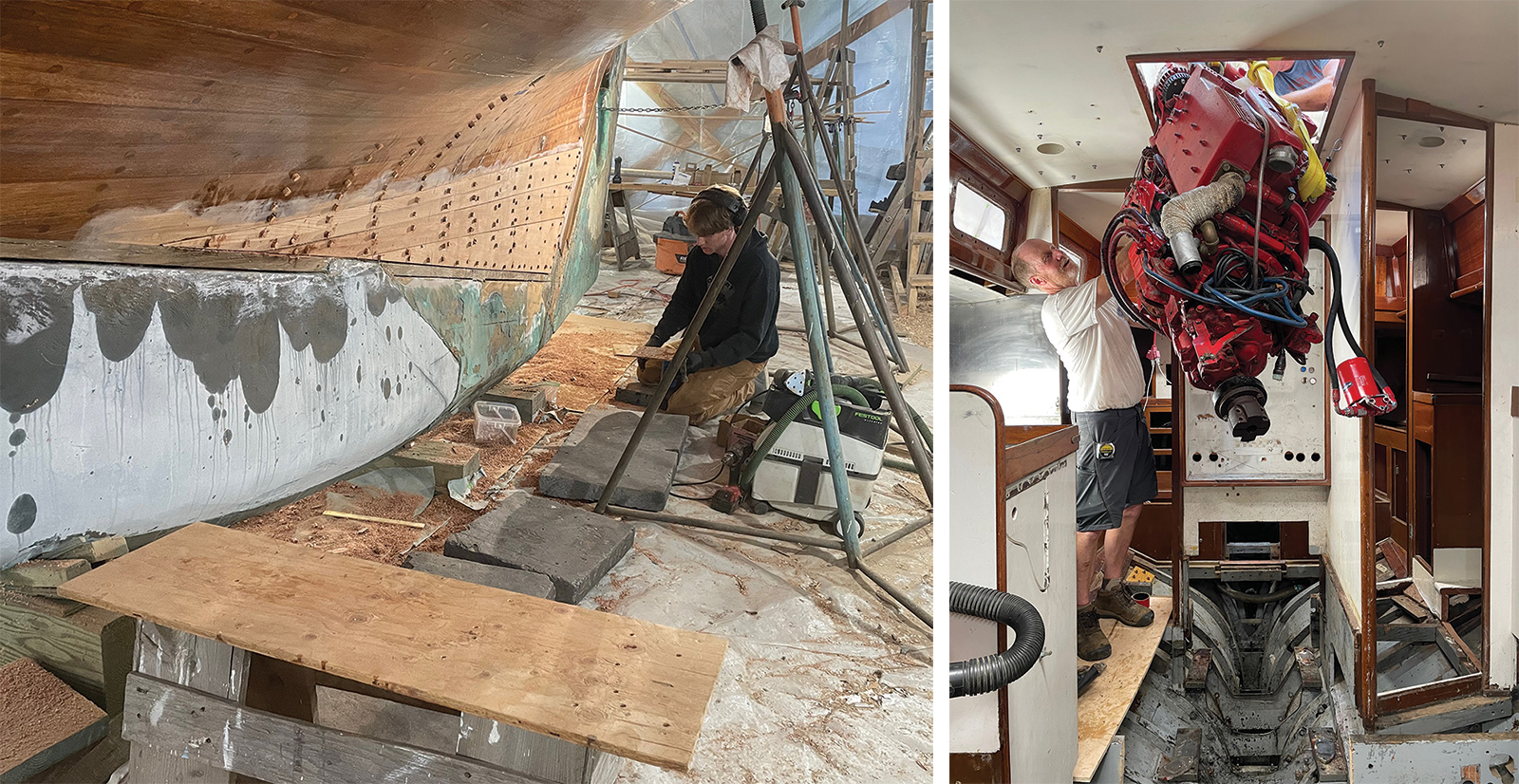
Above left—Emmet Todd attends to bottom repairs on INVERNESS. Above right—Vince guides the removal of the oversized engine that came with INVERNESS.
Most of the yawl’s floors were fabricated in bronze by Derecktor, and while those were in excellent condition, all the floor-to-frame fastenings were renewed. Some oak frames in the engine were replaced with new ones of locust, which afforded a rugged bearing system for newly made bronze engine beds supplied by Rockport Marine. At the time of purchase, INVERNESS was equipped with a 75-hp Beta Marine diesel, complete with a power take-off arrangement designed to drive two large alternators. Although that motor was still relatively low in total hours, it was oversized for the boat and weighed no less than half a ton. It was accordingly removed and sold, to be replaced by a more appropriately sized 50-hp Beta diesel weighing half as much as its predecessor. The deep positioning of the engine within the hull meant that exhaust and vented loop considerations required meticulous planning, especially given that the previous engine had suffered a water-lock incident at one point.
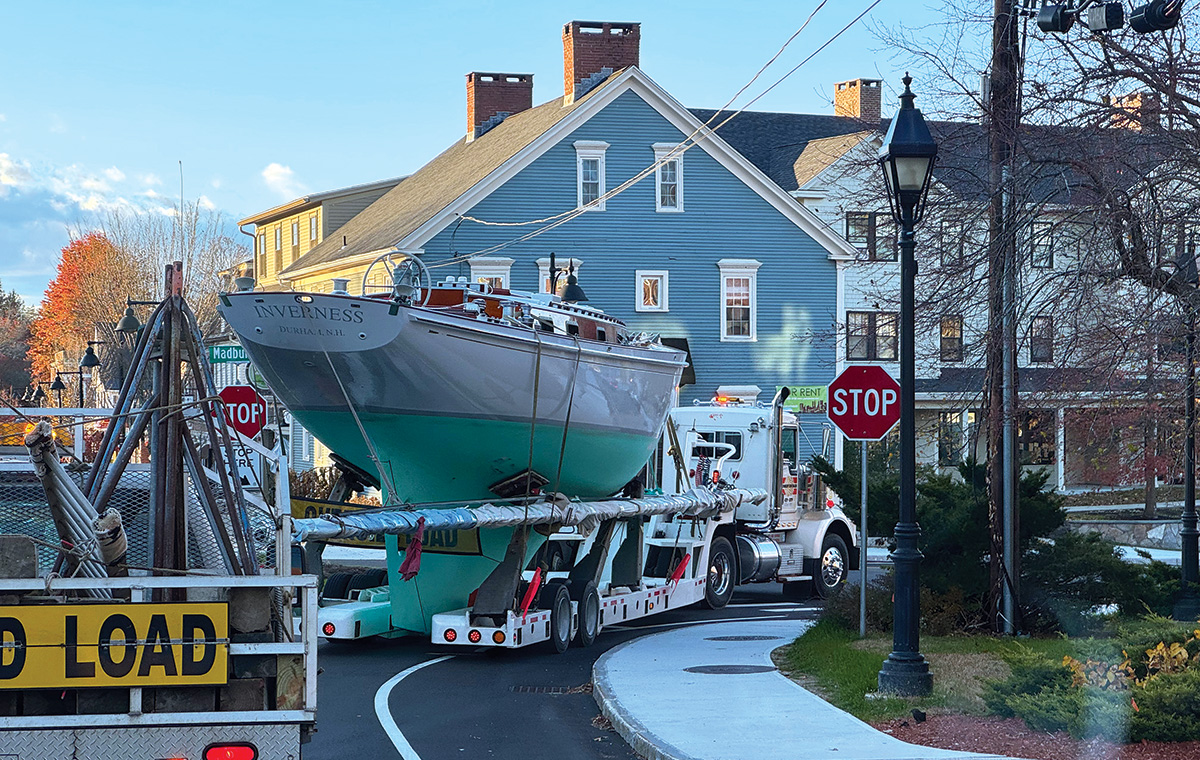 Todd Family Collection
In late August 2024, at the conclusion of a multiyear restoration, INVERNESS was trucked to a launch site on the New Hampshire side of the Piscataqua River.
Further work down below was extensive. In her first incarnation, INVERNESS had been intended primarily for racing, and detailing of the original interior had been relatively straightforward. Modifications had been made over the years, in particular to the navigation station and two pilot berths in the main cabin. After careful study, Vince set about returning things close to the original layout, while at the same time upgrading finishes and details. The navigation station and engine enclosure were entirely rebuilt. The original interior ceiling of simple ⁵⁄₁₆″ plywood was discarded and replaced by naturally finished tongue-and-groove Atlantic white cedar, which adds notable warmth to the space. The boat’s teak-and-holly cabin sole was rejuvenated and much of the interior joinery was reconditioned, with some pieces receiving fresh veneers. At the same time, all wiring and systems were being completely renewed, and a divided house bank of six Odyssey Extreme 105 amp-hour batteries was located under the cabin sole. Vince also installed a Victron inverter sized to accommodate a 4,000-gph AC crash pump, as mandated by offshore race committees. The rebuilt icebox was equipped with Sea Frost electrical refrigeration, to be powered in part by a 240W solar array.
As the work continued into 2022 and 2023, Vince made and installed new offshore bunk boards, inspected and serviced seacocks, removed and modified portlight trim, and rebedded all deck hardware. The entire interior was refinished, with the principal paint being a satin off-white enamel made by Fine Paints of Europe. An integrated Garmin electronics suite was installed, including radar and autopilot. Newly constructed stainless-steel freshwater tanks afford a capacity of 180 gallons, and diesel fuel for the engine now passes through a Keenan filtering and polishing system.
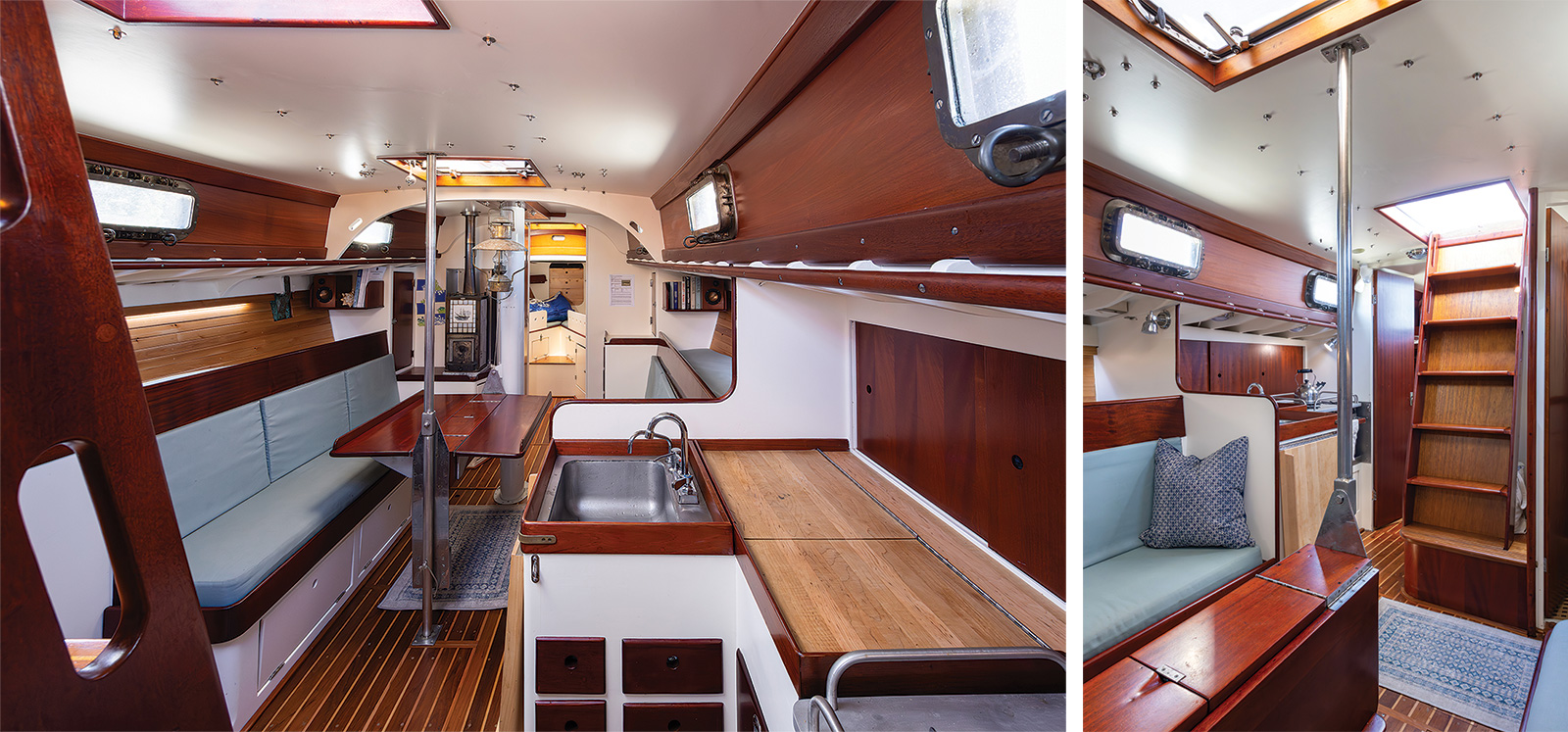 Alison Langley (both)
Above, left and right—Vince restored INVERNESS’s interior close to its original layout but upgraded the finishes and details.
Vince has been a Newport Bermuda Race inspector for the past six years, and that valuable experience informed many of his decisions in refitting INVERNESS. For example, in the interest of having complete confidence in the rudder, he decided that it should be thoroughly reworked. Four enthusiastic civil engineering students from the nearby University of New Hampshire volunteered to dig a deep hole that allowed the very large rudder to be dropped. It was stripped down to its original core of laminated fir plywood, which was then built up again with vacuum-bagged fiberglass and Dynel, using G/flex epoxy for bonding—and with ⅛″ G-10 fiberglass sheet stock incorporated into the laminations at the trailing edge. After the hardware was reconfigured and reinforced, including new bronze pins and Delrin washers, the rudder was rehung, complete with added leading-edge fairing of thin bronze plate “to keep things slippery.” Vince also devoted considerable attention to every aspect of the steering gear. Chain and cable were replaced (with spares duly stowed aboard), and all pulley mounts were checked and refastened as needed. The welds of the aluminum quadrant were assessed, and the rudderpost stuffing box was removed, cleaned, and repacked. The steering pedestal was augmented with a stout bronze grab bar, and Vince also saw to the provision of a robust emergency tiller arrangement.
Although INVERNESS had been changed over to rod rigging in the 1970s, that material was at the end of its service life, and new rod took its place. The original tapered aluminum masts, beautifully built by Derecktor and still sound, were repainted with white Awlgrip, and all mast lighting was converted to LED. INVERNESS came with a relatively recent and well-made main boom, but the gooseneck appeared to be undersized, and it was replaced by a new one fabricated from stainless steel. The internal halyards on both main and mizzen masts were still wire-to-rope, and converting them to modern high-tech cordage required replacement of all the sheaves.
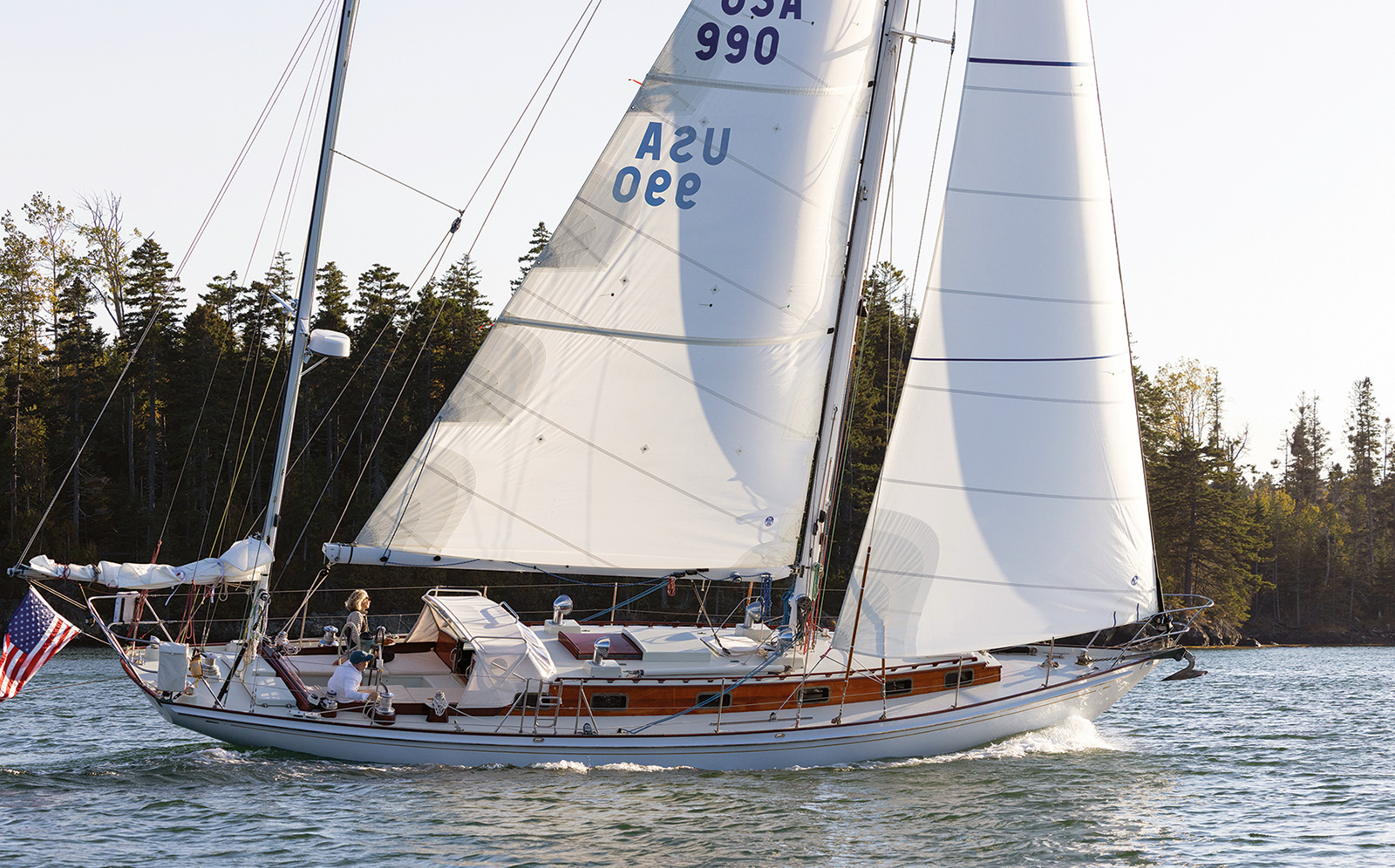 Alison Langley
INVERNESS is a magnificent example of early-1960s design and has been refitted to serve ably for decades to come.
A final project push commenced late in 2023, with the goal of getting INVERNESS back into the water during the 2024 sailing season. The list of completion tasks was daunting: cushions, bedding, galley equipment, books and charts, safety gear, spares, and countless other items needed to be obtained and then stowed aboard. Progress was steady, however, and in late August 2024, INVERNESS made the trip from Durham to a launch site 17 miles away on the Piscataqua River. Once the rig was stepped, she took to the water for the first time in well over a decade, with only minimal leakage that soon came to an end as the hull structure swelled. In looking back on the day, Vince recalls, “Launching INVERNESS after three and one-half years of work, with my family and a gang of my best sailing friends on hand, had me speechless and choked up. We had pulled it off!”
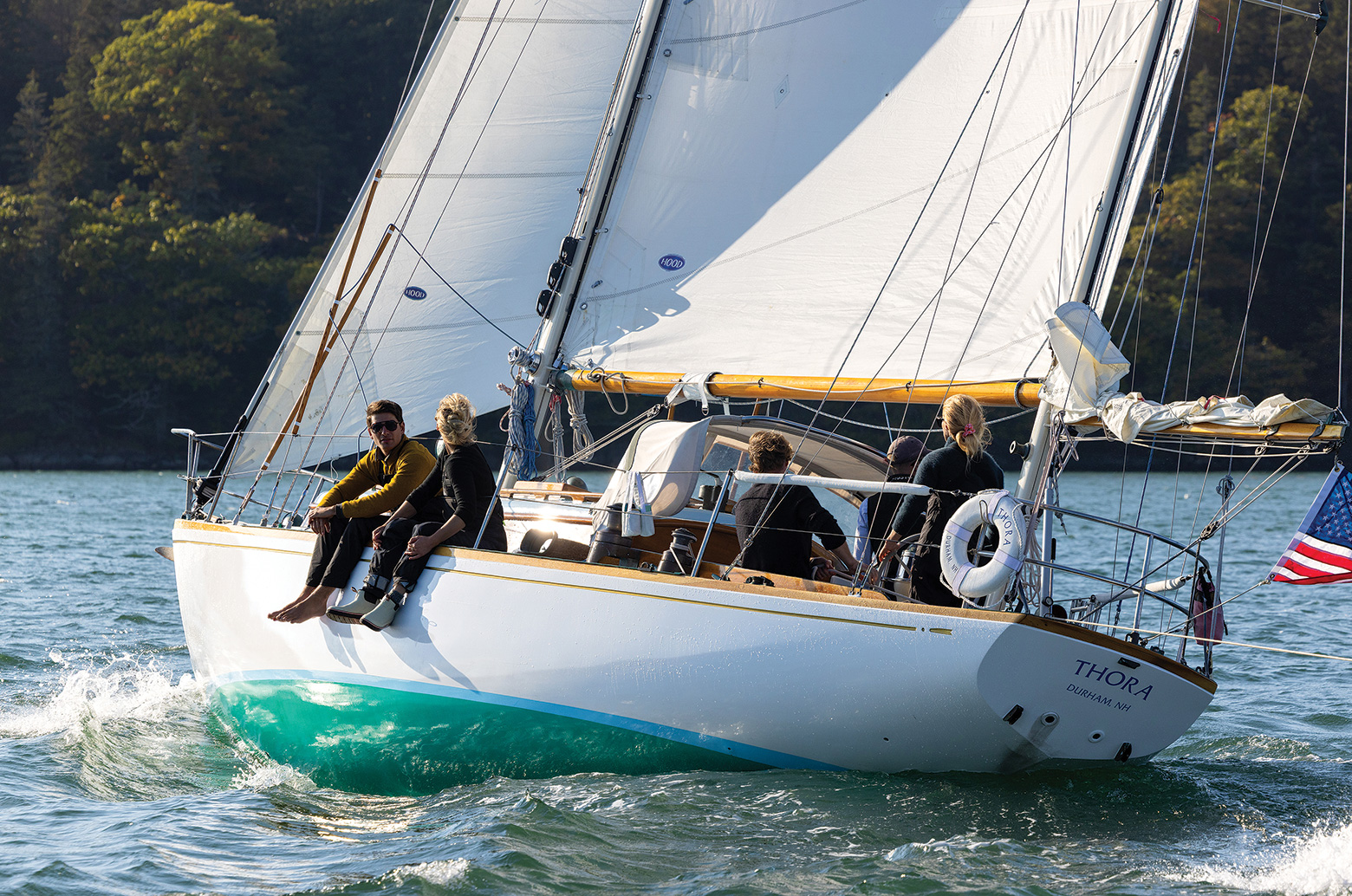 Alison Langley
THORA is now jointly owned and cared for by the three Todd children, who grew up sailing aboard the boat.
After extensive systems checks and several shakedown sails, Cheryle and Vince headed east on a 150-mile overnight passage to Penobscot Bay. Perfect close-reaching conditions took them swiftly to Crow Cove on Islesboro, followed by several happy weeks of Maine Coast cruising. After returning to home waters in October, the couple undertook a long-weekend round trip from Portsmouth, New Hampshire, to Cape Ann, Massachusetts. At departure, a hard sunny-day westerly was blowing off the land, which afforded an ideal reach in relatively flat water—though gusts were well into the 40s. That afternoon, INVERNESS showed her colors as a true thoroughbred: under staysail and reefed mizzen only, the well-found yawl afforded an entirely comfortable ride at gratifying speeds in the 9–10-knot range. The stiffness and stability that Cheryle had been yearning for were amply on display, as INVERNESS sliced ahead with the steady motion characteristic of deep-draft full-keel designs.
What might the next chapters hold for both THORA and INVERNESS? In both cases, there is abundant potential. Through an inspired act of succession planning, THORA remains in the Todd family and is now jointly owned by Annah, Emmet, and Isabelle. The three siblings have taken over full maintenance responsibilities for THORA, with that annual work taking place in a hoop shed directly adjacent to INVERNESS’s winter enclosure. All three young owners have logged many thousands of inshore and offshore miles, and Emmet in particular has pursued competitive sailing at the highest levels, serving in a crew that has achieved podium finishes in the J24 Worlds. THORA is certain to be a fixture on the Maine coast each summer for years to come, and before long she may make a winter foray to the Bahamas, where her board-up draft of 3′9″ will prove advantageous. INVERNESS will also be busy on the race circuit, as Vince intends to enter her in the 2026 Newport Bermuda Race (in which the yawl won her class in 1966) and the 2027 Marblehead to Halifax Ocean Race. Annah, Emmet, and Isabelle as well as their partners will be aboard for both races, and subsequent cruising in Nova Scotia and Newfoundland is planned for 2027. Further down the line, an Atlantic Circle voyage remains a distinct possibility.
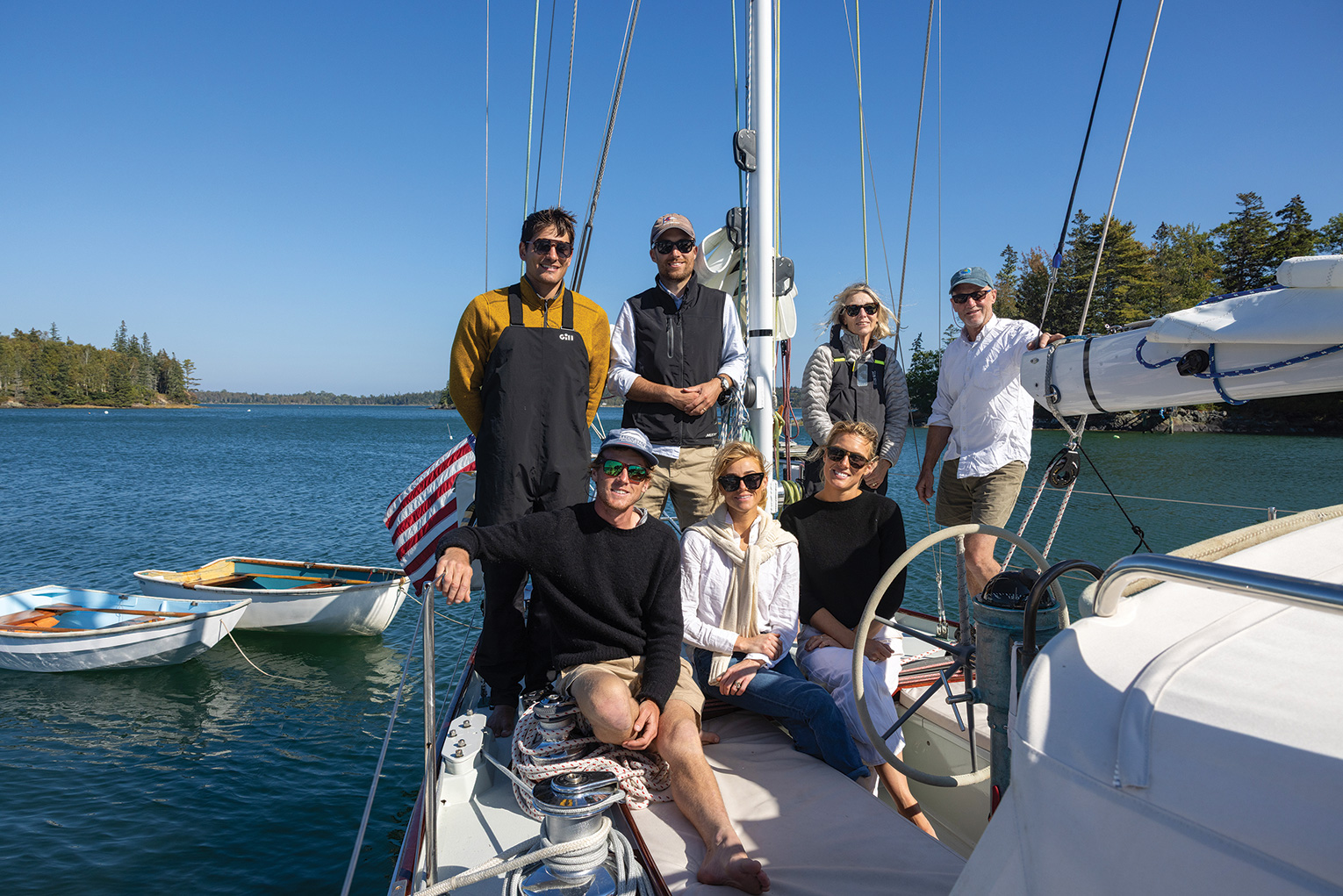 Alison Langley
The Todd family gathered in September 2025 for an outing in THORA and INVERNESS on Penobscot Bay, Maine. Seated are Emmet, Annah, and Isabelle Todd; standing are Jake Manning, Jack Callahan, Cheryle St. Onge, and Vince Todd.
Although the restoration work accomplished on both THORA and INVERNESS has been unquestionably fulfilling, for Vince the primary objective is sailing, with the ultimate reward being the meaningful connections and relationships that it fosters. As he puts it, “These boats are much bigger than me: the people, the history, the community, the legacy.” 
Jay Panetta has owned the Concordia yawl OWL (No. 31) for 29 years, and is the editor of The Concordian, the semi-annual journal for owners and admirers of Concordia designs.